
Article · Brandon Warrell
Do you own the logo you paid a designer for?
Not automatically. If a freelancer drew your logo and nothing was signed, any copyright in it generally stays with the designer, even after you pay the invoice. You may well have permission to use the logo, but permission isn't ownership. Copyright ownership generally moves through a signed written transfer.
This is general information about U.S. law, not legal advice. Check the U.S. Copyright Office and USPTO trademark basics, and talk to an attorney about a contract or a large rebrand.
Why does the designer hold the copyright by default?
Copyright starts with whoever made the work. The statute says it "vests initially in the author or authors of the work," and the Copyright Office's Circular 30 explains that the author is ordinarily the person who actually created it. Payment isn't part of that rule.
The rule changes if the designer is your employee. And all of this assumes the logo can be copyrighted at all. The Copyright Office's FAQ says protection "may be available for logo artwork that contains sufficient authorship," and Circular 33 excludes typeface, lettering variations and simple combinations of familiar symbols. A name in plain lettering may have no copyright for anyone to own.
Is a logo a work made for hire?
Usually not, if a freelancer made it. In a work made for hire, the hiring party is both author and copyright owner. Circular 30 describes two ways to get there.
An employee makes it as part of their regular duties. A freelancer usually isn't an employee, but the label doesn't decide it. Circular 30 lists the questions that matter, such as who supplies the tools, how long the relationship lasts, how the person is paid and how taxes are handled. In CCNV v. Reid, the Supreme Court found that a sculptor hired for one work was "an independent contractor."
The work is specially commissioned in a listed category. The statute names nine: a contribution to a collective work, part of a motion picture or other audiovisual work, a translation, a supplementary work, a compilation, an instructional text, a test, answer material for a test, and an atlas.
A standalone logo isn't on the list. Circular 30 also requires a written agreement, signed by all parties, that expressly calls it a work made for hire. So writing "work for hire" on a contract for a standalone logo usually won't do the job. A transfer clause is what moves it.
How does ownership move to you?
Generally, through a signed writing. Under 17 U.S.C. §204(a), a transfer is "not valid unless" it's in writing and "signed by the owner of the rights conveyed" or that owner's authorized agent. That person is normally the designer, so this isn't the same as the work-for-hire rule, where all parties sign.
- Transfers can be partial. Circular 1 says any or all of the owner's rights, or parts of them, can be transferred.
- An exclusive license counts as a transfer. The statute's definition excludes a nonexclusive license, and Circular 1 says that kind needs no written agreement. So you can have permission to use a logo without owning it, and if nothing was written down, the limits of that permission may be unclear.
Are the files, the copyright and the source files the same thing?
No. People say "own my logo" and can mean any of three things.
| What you might mean | What it is | How you get it |
|---|---|---|
| The copyright | The rights to reproduce, adapt, distribute and display the artwork | Generally, a signed written transfer |
| The final files | The copies you use on signs, shirts and your website | Delivered by the designer, so ask for the list |
| The source files | The working files the designer built the logo in | Ask for them up front |
17 U.S.C. §202 says owning a copyright "is distinct from ownership of any material object in which the work is embodied," and that transferring such an object "does not of itself convey any rights in the copyrighted work."
My own file list shows the difference. The FAQ lists vector files (AI, EPS, SVG and PDF) plus PNG files with transparent backgrounds and JPGs, in full color, black and white. Source files are available if you ask when you request a quote. A list of files doesn't answer who holds the copyright, with any designer. That has to be settled separately, in writing. The logo file types guide explains what each format is for.
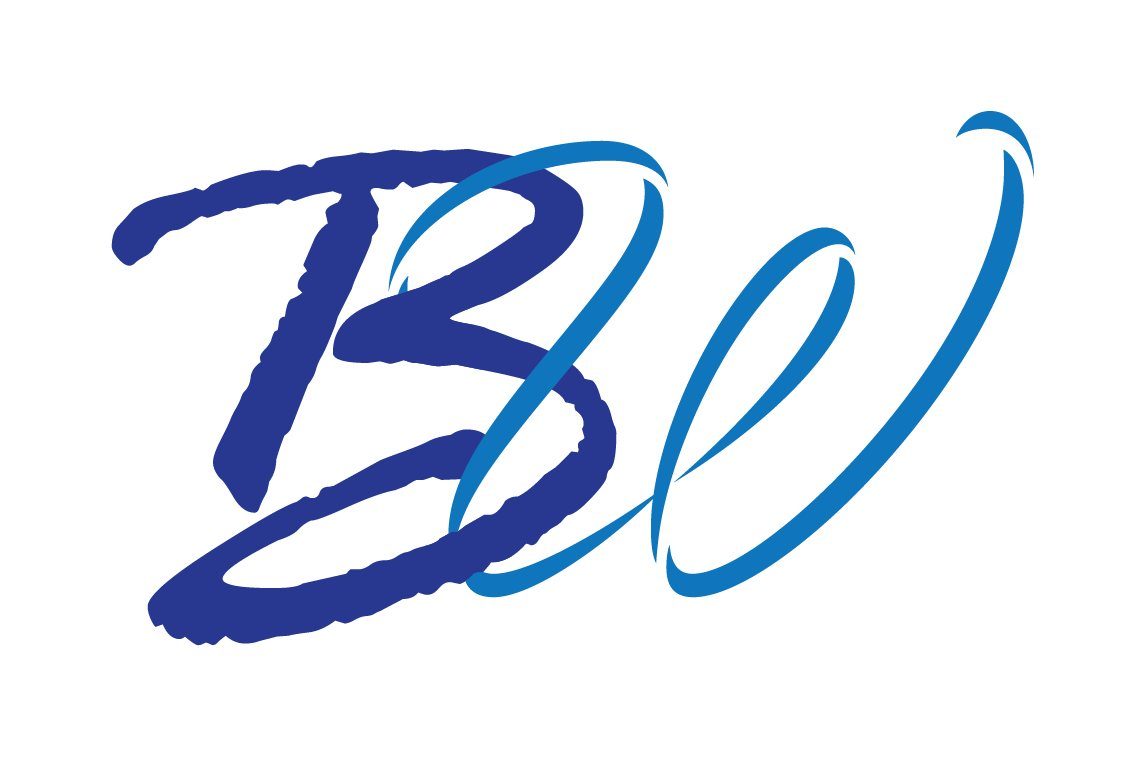
I drew the monogram below in Illustrator for my Typography class at State College of Florida (SCF). It's a personal mark with no client, shown here as an example of a vector logo.
If you only have a blurry logo, I can redraw it as a clean vector file. My guide to photo to vector art shows how tracing works. A new file doesn't by itself change who holds any copyright in the original, and if someone else holds it, redrawing the artwork can need their permission.
What about fonts, stock art and templates inside a logo?
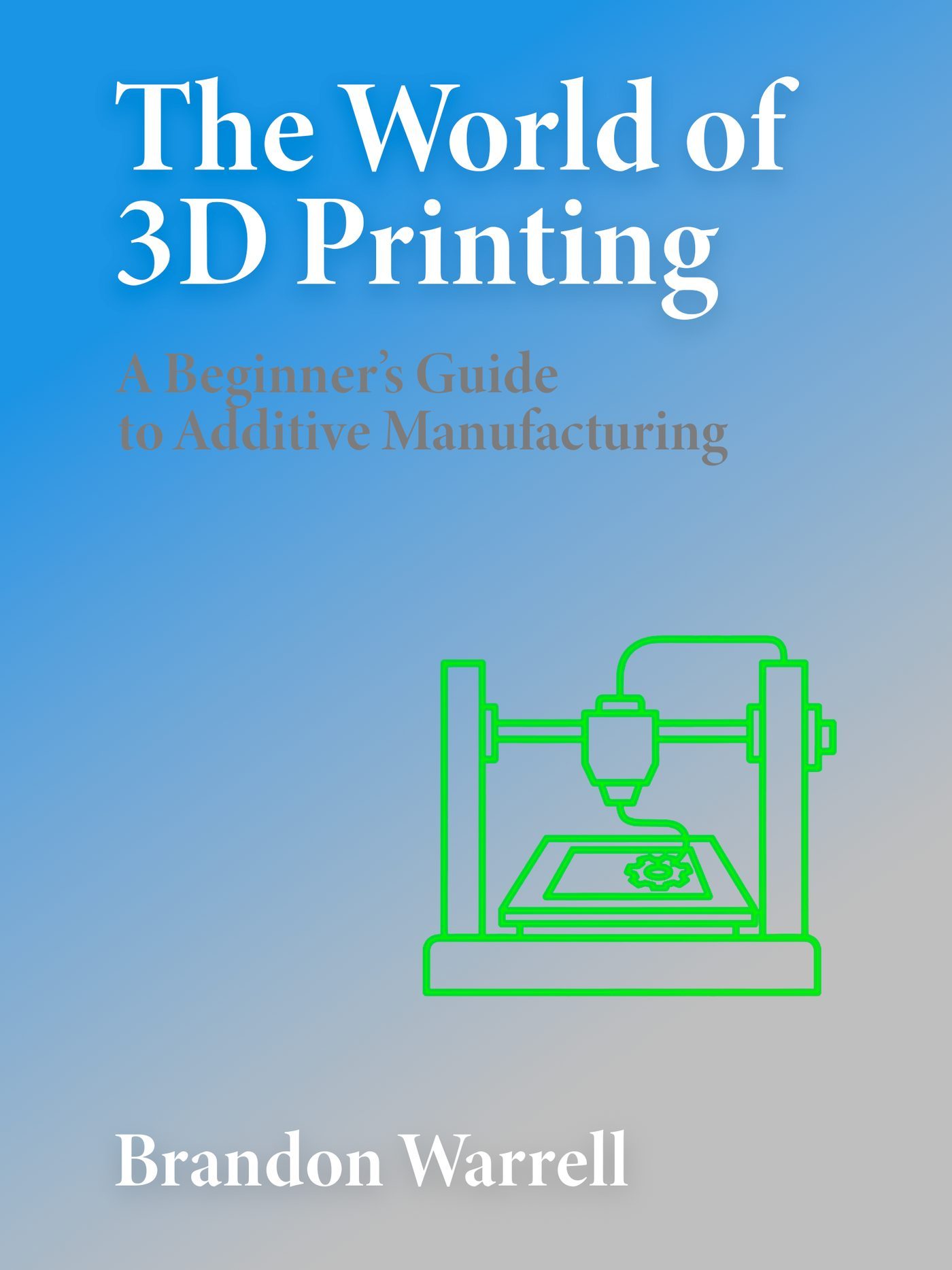
Those parts are usually licensed, not owned, so a transfer from your designer can't hand you more than the designer holds. My eBook cover (SCF coursework) isn't a logo, but it shows the situation: I built it in Photoshop around a licensed line-art printer illustration. Font terms vary. Adobe's font licensing FAQ says you can copyright or trademark a logo made with Adobe Fonts, but not the typeface designs in it. A client who only receives finished graphics with the type rasterized or embedded doesn't need a separate license, while one who has to edit the design with the fonts needs their own. Templates have limits of their own, covered in freelancer vs agency vs template, and using images from Google covers image licenses.
How is copyright different from a trademark?
Copyright covers original artwork. A trademark, in the USPTO's words, "can be any word, phrase, symbol, design, or a combination of these things that identifies your goods or services." Circular 33 lists the name of a business among the things copyright doesn't cover, but notes that names may be protectable under trademark law.
A logo can have both protections, and neither is guaranteed. The USPTO says you become a trademark owner "as soon as you start using your trademark with your goods or services." Those use-based rights apply only in the geographic area where you provide your goods or services. Registration is optional and gives broader rights.
Trademark rights come from use and copyright comes from authorship, so who holds one doesn't settle who holds the other. If you're in a dispute with a designer, ask an attorney.
What should you settle before the project starts?
Get answers in writing, with any designer, before work begins:
- Who holds the copyright when the logo is finished? If it's moving to you, ask for a signed transfer that names the logo and the rights it covers.
- If it isn't moving, what can you do with the logo? Ask whether your rights are exclusive, and where you can use it.
- Which files will you get? List the formats. My design brief guide has a line for this.
- Do you want the source files? Say so at the start.
- What's inside the design that belongs to someone else? Ask about fonts, stock art and templates.
Every project of mine gets a fixed quote up front, so you know the price before any work starts. That's also a good moment to raise ownership, with me or anyone else you're considering.
If you need a logo, see logo design, or the graphic designer page for the rest of what I make. The FAQ has starting prices, the file list and how to request a quote.